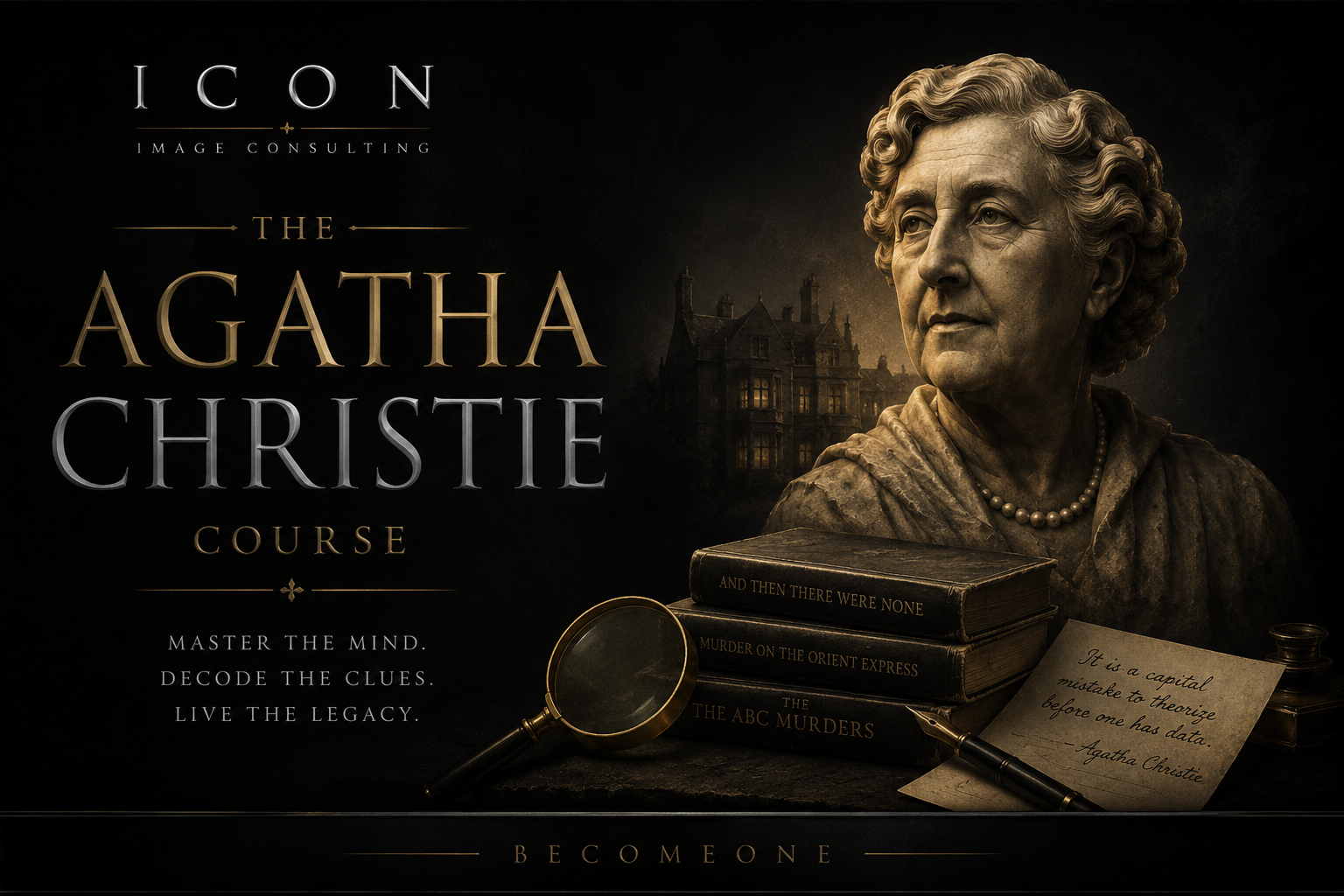
During the First World War, Agatha Christie worked first as a volunteer nurse and then in a hospital dispensary. She trained in pharmacy, studied chemistry and materia medica, and qualified as a dispenser in 1917. That practical experience helped shape the carefully researched poisons and medicines that appear in her fiction.
The Christie Effect uses that distinctive literary world as a launchpad for learning. A suspicious symptom becomes a question about physiology. A drug mentioned in a novel opens a discussion of receptors and neurotransmitters. A witness's memory becomes a lesson in cognitive neuroscience.
We read the story as a mystery—but investigate it with the tools of modern science.